Roof Replacement Services: Restoring Reliability and Performance to Your Roof
A well-functioning roof is essential to the safety and comfort of any property. Over time, exposure to harsh weather, temperature fluctuations, and natural aging can weaken roofing materials and compromise their effectiveness. When repairs are no longer enough, professional roof replacement services provide a complete solution to restore durability, efficiency, and protection.
This article explores why roof replacement is necessary, how the process works, and the long-term benefits of investing in a new roofing system.
The Purpose of Roof Replacement Services
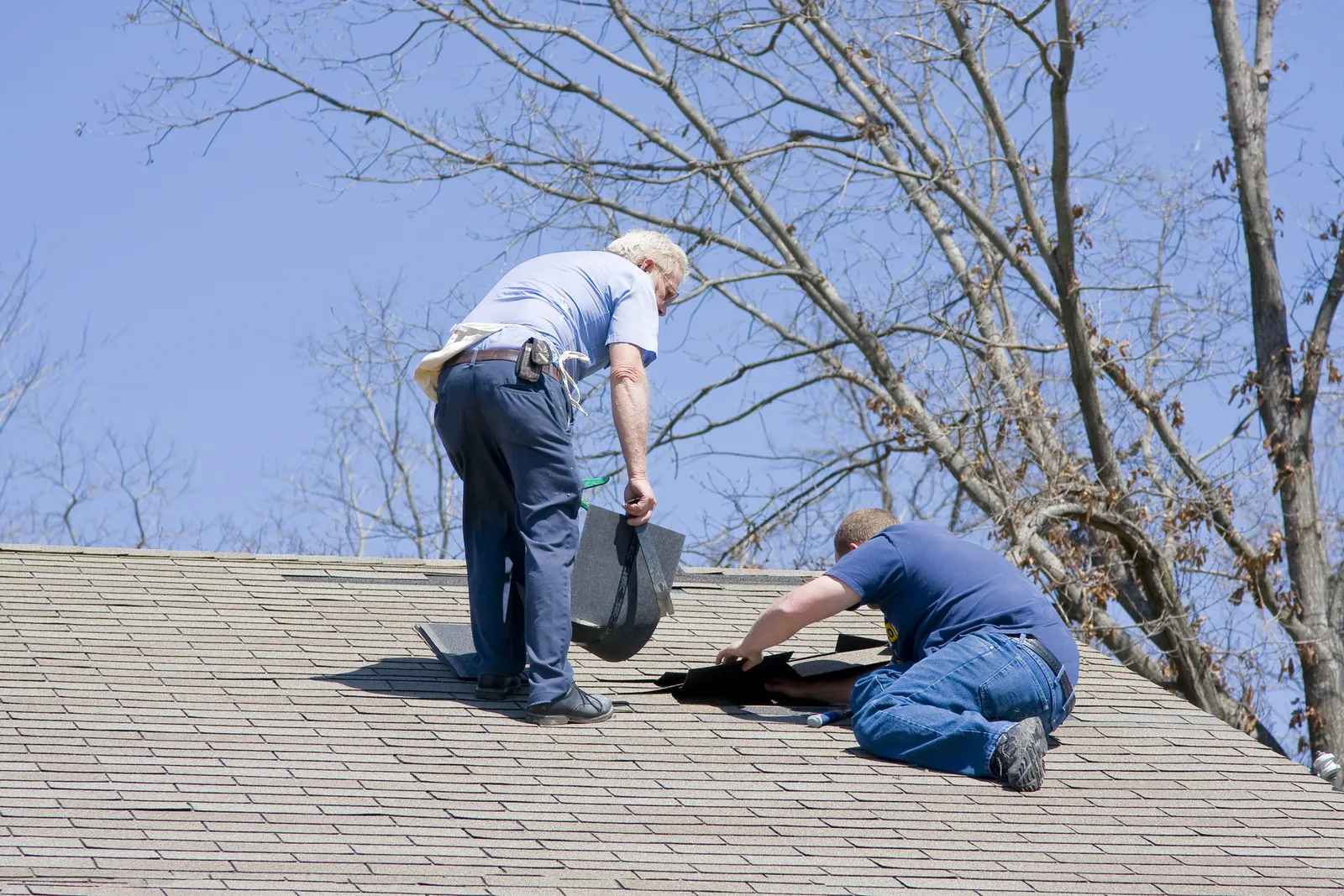
Roof replacement services go beyond surface-level fixes. Instead of addressing isolated issues, replacement involves rebuilding the entire roofing system to ensure consistent performance across all components.
A new roof helps:
- Protect the structure from water intrusion
- Maintain stable indoor temperatures
- Prevent long-term structural damage
- Improve overall building reliability
By replacing an aging roof, property owners reduce the risk of unexpected failures and costly emergency repairs.
Situations Where Roof Replacement Is Recommended
While minor issues can often be repaired, certain conditions make full replacement the most practical option.
Roof Age and Material Wear
All roofing materials degrade over time. As they age, their ability to repel water and withstand weather decreases.
Recurrent Roofing Issues
If leaks or damage continue after multiple repairs, it often indicates a system-wide problem.
Structural Concerns
Soft spots, sagging areas, or damaged decking are strong signs that replacement is required.
Outdated Roofing Systems
Older roofs may not meet modern safety, energy, or building standards, making replacement a smart upgrade.
The Roof Replacement Process Explained
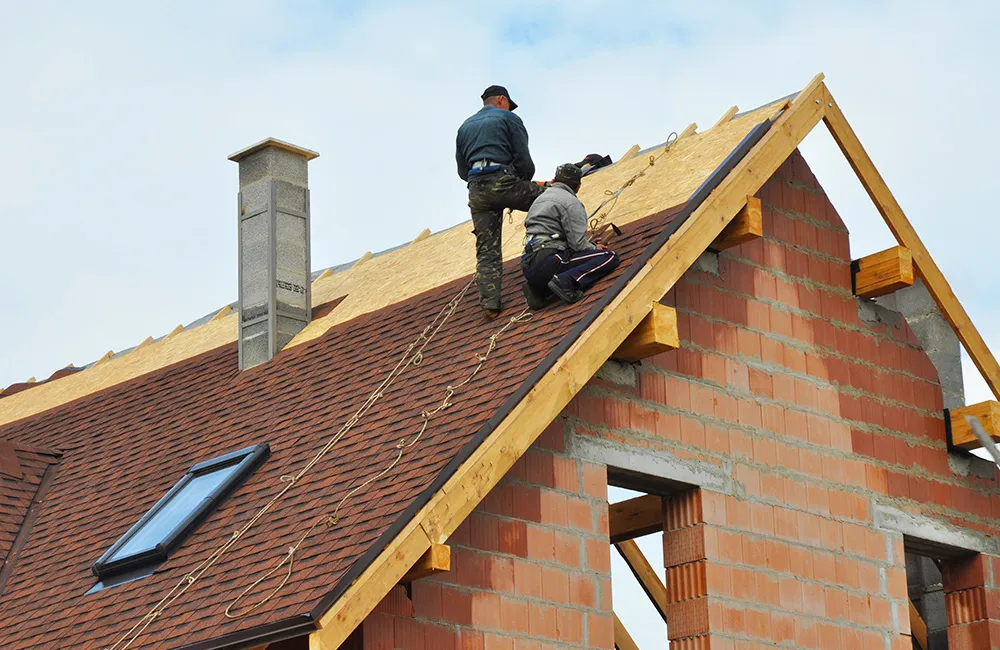
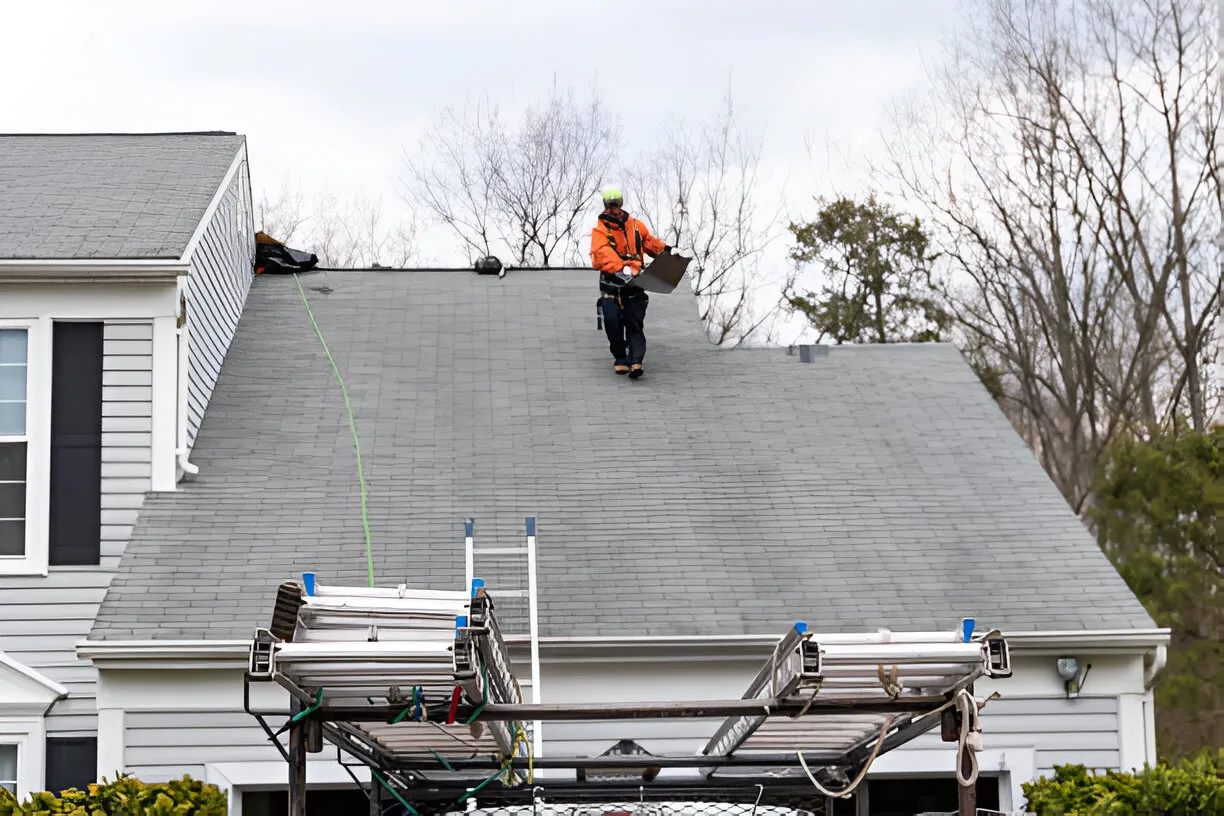
Professional roof replacement services follow a detailed and structured approach to ensure quality and longevity.
Initial Inspection
Roofing professionals assess the condition of the roof, including underlayment, flashing, insulation, and ventilation.
Removal of Existing Roofing
Old materials are carefully removed to allow full inspection of the roof deck.
Deck and Structural Repairs
Any damaged wood or structural components are repaired or replaced before installation begins.
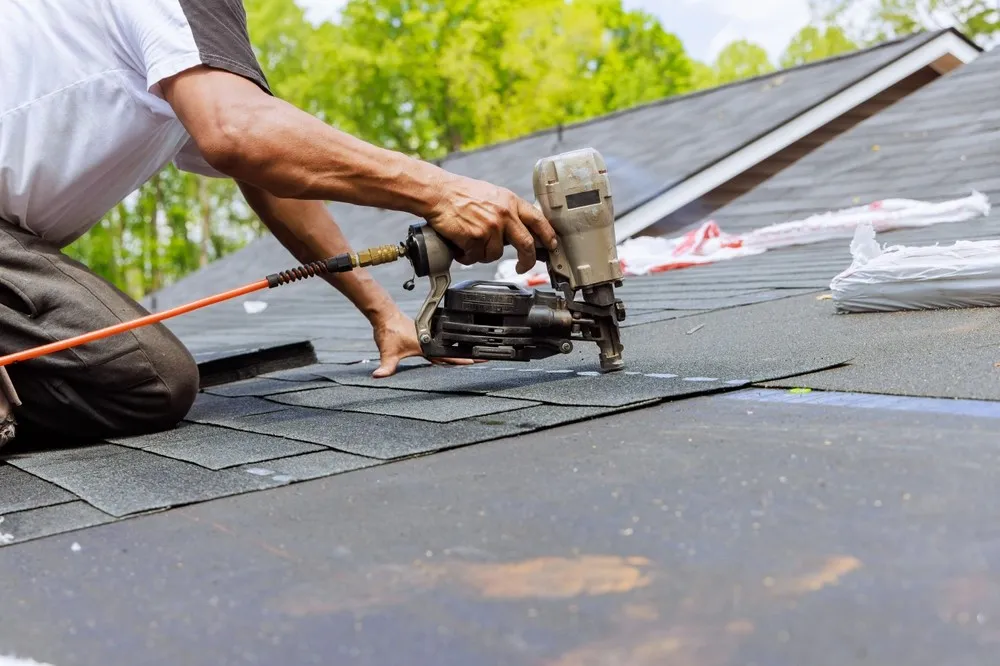
Installation of the New Roof
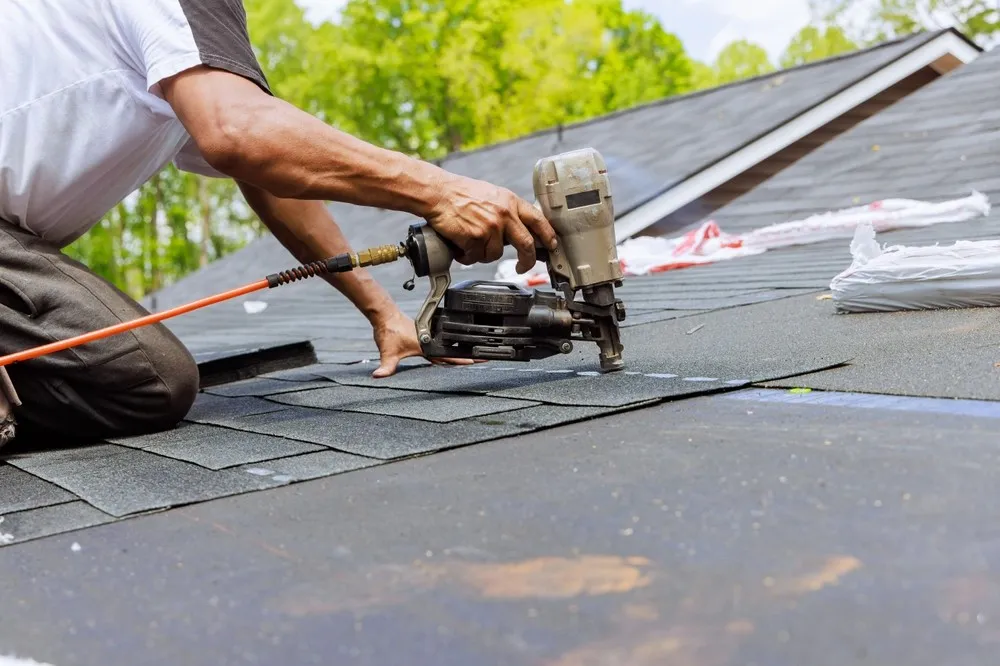
The new roofing system is installed with waterproof layers, proper ventilation, and high-quality materials.
Final Inspection and Approval
The project concludes with a final inspection to confirm performance and safety standards.
Roofing Materials Commonly Used in Replacement Projects
Roof replacement services offer a range of materials to suit different budgets and property types.
Asphalt Shingles
- Economical and versatile
- Suitable for most residential roofs
- Easy to maintain and repair
Metal Roofing
- Long-lasting and durable
- Resistant to wind, rain, and fire
- Improves energy efficiency
Tile Roofing
- Strong and visually appealing
- Ideal for warm climates
- Long service life
Flat Roofing Systems
- Common in commercial buildings
- Designed for durability and accessibility
- Energy-efficient options available
Selecting the right material is essential for long-term roof performance.
How Roof Replacement Improves Energy Efficiency
One of the key advantages of roof replacement is improved energy performance. Modern roofing systems are designed to:
- Reduce heat loss and heat gain
- Support effective insulation
- Improve ventilation airflow
These improvements help maintain comfortable indoor temperatures and reduce energy costs throughout the year.
Cost Factors to Consider for Roof Replacement
The cost of roof replacement depends on several variables:
- Roof size and slope
- Roofing material selection
- Labor and installation complexity
- Required structural repairs
- Local permits and regulations
Although replacement requires an upfront investment, it often results in lower long-term maintenance and utility expenses.
Choosing the Right Roof Replacement Service Provider
The quality of roof replacement depends heavily on the contractor. Property owners should look for:
- Proper licensing and insurance
- Clear, detailed project estimates
- Experience with similar roof types
- Warranty coverage for materials and labor
- Positive customer feedback
A trusted contractor ensures the roof is installed correctly and performs reliably.
Long-Term Advantages of Roof Replacement Services
Roof replacement offers lasting benefits beyond immediate protection. A new roof enhances safety, improves appearance, increases property value, and provides confidence that the building is protected against future weather challenges.
Conclusion
Roof replacement services are essential when roofing systems become worn, damaged, or outdated. By choosing professional replacement and modern materials, property owners can restore roof performance, improve energy efficiency, and protect their investment for the long term.
A properly installed roof is not just a repair—it is a foundation for long-lasting safety and peace of mind.